What is Harmony? Should you invest in Harmony?
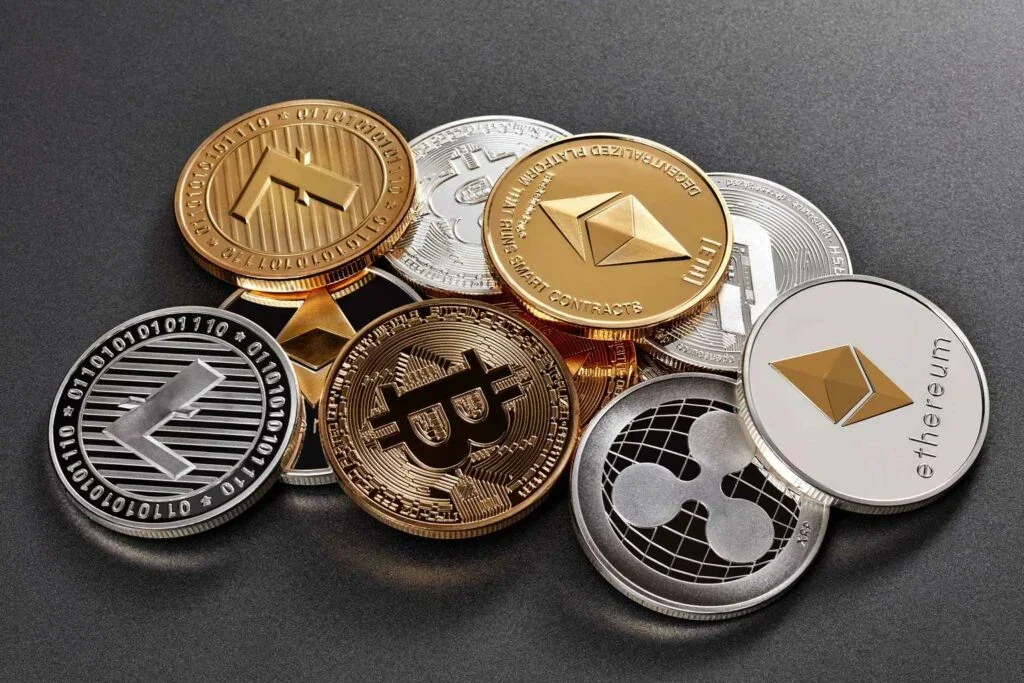
What Is Harmony? Should You Invest in Harmony?
Introduction
Harmony (ticker: ONE) is one of the blockchain projects designed to make decentralized applications (dApps) faster and more usable. It aims to solve common issues in older blockchain networks—like slow transaction times and high fees—so that everyday users and developers can interact with crypto without friction.
But what exactly is Harmony, how does it work, and—most importantly—should a beginner invest in Harmony? In this article, we’ll break down the fundamentals, the potential upside, and the real risks you should understand before buying.
Quick facts: Harmony’s native token is ONE. The project is currently ranked around #104 by market data aggregators, with a circulating supply of ~14.9B ONE.
How Harmony Works
At its core, Harmony is a Layer 1 blockchain—meaning it provides the base infrastructure where transactions and smart contracts happen. Harmony’s main differentiator is its approach to scaling.
Sharding for scalability
Traditional blockchains process transactions in sequence, which can limit throughput as demand rises. Harmony uses a technique commonly associated with “sharding,” which splits the work across multiple parts of the network. Instead of every node processing everything, the network can scale more efficiently.
In practice, sharding helps Harmony target:
- Higher transaction throughput
- Lower latency (faster confirmation)
- More affordable fees
Cross-chain communication
Harmony has also focused on enabling assets and data to move across chains. Cross-chain compatibility is important because many users and developers operate in a multi-chain ecosystem (Ethereum, other Layer 1s, Layer 2s, and bridges).
Harmony’s goal is to support interoperability so that liquidity and users aren’t isolated on one network.
Smart contracts and the ONE token
Like many Layer 1 networks, Harmony supports smart contracts, allowing developers to build DeFi (decentralized finance), games, and other dApps.
The token ONE plays key roles such as:
- Incentivizing network security
- Participating in network operations
- Providing a measure of value within the ecosystem
Pros and Cons of Harmony
Before investing, it helps to weigh the strengths and weaknesses of the project in a straightforward way.
Pros
1) Strong focus on usability
Harmony’s design philosophy emphasizes making blockchain interaction smoother—faster speeds and lower fees can improve user experience for dApps.
2) Built for developer activity
A scalable chain is often more attractive to developers. If Harmony continues to attract projects, it can increase network usage, which may improve demand for its ecosystem.
3) Interoperability potential
Cross-chain initiatives can broaden Harmony’s reach. If users can move assets and interact with other networks easily, it can strengthen Harmony’s position in the broader crypto landscape.
4) Established presence
With an established token (ONE) and ongoing network development, Harmony has had time to build a community and tooling—often important for long-term viability.
Cons
1) Competitive environment
Harmony competes in a crowded market of Layer 1 and Layer 2 solutions. Ethereum L2s (and multiple other chains) can offer fast, low-fee experiences—sometimes with stronger liquidity and developer adoption.
2) Token value depends on adoption
Like most L1 tokens, ONE’s price performance is tied to real network usage and investor confidence. If adoption lags or apps fail to gain traction, the token may struggle.
3) Bridge and cross-chain risks
If a project relies on bridging for interoperability, it inherits some risk categories, including smart contract vulnerabilities or operational issues in bridging infrastructure. (Even strong teams can’t eliminate these risks entirely.)
4) Infrastructure complexity
Tech like sharding and cross-chain messaging can be powerful, but it can also increase engineering complexity. Investors should be comfortable with the fact that scaling solutions are hard, and progress can be uneven.
Should Beginners Invest in Harmony?
The honest answer: it depends
Harmony is not inherently “bad,” but it may not be the best first crypto investment for everyone—especially beginners.
Here’s why, and how to decide.
Why it might be reasonable for some beginners
- If you’re interested specifically in blockchain infrastructure and scaling, Harmony offers a clear narrative around performance and usability.
- If you’re investing with a long-term horizon and can tolerate volatility, you may be able to treat ONE as a higher-risk, higher-upside position.
Why it may be challenging for beginners
- Crypto market volatility is intense. Even if Harmony’s tech succeeds, price can still fluctuate sharply.
- Beginners may struggle to evaluate whether upgrades are working, whether developer adoption is real, and whether liquidity is growing.
- The “best” beginner approach usually emphasizes simplicity: understanding the basics (market structure, risk management, custody, and time horizon) before adding multiple complex layers like cross-chain features.
A beginner-friendly approach (if you choose to invest)
If you decide to invest in Harmony as a beginner, consider:
- Start small (only what you can afford to hold through volatility)
- Focus on position sizing rather than trying to time price movements
- Diversify—don’t put all your crypto funds into one mid-cap project
- Understand the difference between investing vs. trading
- Plan your time horizon (e.g., 1–3 years vs. a few weeks)
If you’re entirely new to crypto, you might prefer starting with more widely adopted assets and only later exploring networks like Harmony once you can better assess project fundamentals.
Investment Potential: What Could Drive ONE Up?
When thinking about investment potential, it helps to break it into demand and narrative.
1) Network usage and developer adoption
If Harmony continues to attract decentralized apps—especially DeFi and tokenized ecosystems—more activity can translate into greater on-chain demand for the network.
Higher usage can support the token’s long-term value proposition, even if token price doesn’t move immediately.
2) Ecosystem growth and liquidity
Crypto markets reward liquidity. If Harmony’s ecosystem builds deeper liquidity pools and more integrations, it can attract users who then create further demand.
3) Market sentiment around Layer 1s
Broader cycles matter. When investors rotate into “infrastructure” narratives (scaling, throughput, new L1/L2 developments), mid-cap networks like Harmony can benefit.
4) Roadmap execution
If Harmony successfully delivers on its scaling and interoperability roadmap, it strengthens the likelihood of sustained ecosystem growth. Roadmap execution doesn’t guarantee price gains, but it can improve investor confidence.
Risks to Consider
No crypto asset is risk-free. Here are the main categories of risks specific to investing in a Layer 1 token like ONE.
1) Price volatility and market risk
Crypto prices can drop quickly due to macro conditions, regulatory headlines, exchange liquidity changes, or overall risk-off sentiment. One asset’s fundamentals can be strong and still see a downturn.
2) Adoption risk
A blockchain can have a good technical plan but struggle to attract real users and developers. If Harmony doesn’t grow its ecosystem, demand for ONE may remain limited.
3) Competition risk
Ethereum’s rollup-centric direction and alternative chains with strong ecosystems can make it harder for Harmony to capture market share.
4) Smart contract and security risk
All smart contract platforms have inherent risk. Bugs, exploits, or unforeseen vulnerabilities can harm user trust and reduce ecosystem activity.
5) Tokenomics and supply considerations
Harmony has a large circulating supply (~14.9B ONE). While circulating supply alone doesn’t determine price, it’s part of how market liquidity and valuation dynamics work. You should look at:
- emission schedules (if applicable)
- incentives and unlocks
- how staking and rewards are structured
- whether demand consistently matches token issuance
6) Regulatory and custody risk
As regulations evolve globally, certain tokens or trading venues may face restrictions. Also, beginners must be careful about custody choices (self-custody vs. custodial exchanges).
Conclusion
Harmony is a Layer 1 blockchain focused on improving scalability and user experience through architectural approaches like sharding, along with broader interoperability goals. Its token, ONE, is used within the ecosystem and is influenced by network usage, investor sentiment, and overall crypto market cycles.
Should you invest in Harmony?
- Beginners: Harmony can be a higher-risk choice. If you’re new, consider starting small, doing thorough research, and potentially prioritizing simpler, more established assets first.
- Long-term investors: Harmony may be worth researching if you believe in the long-term direction of scaling and if you’re comfortable tracking ecosystem growth and execution.
If you decide to invest in ONE, treat it like an informed allocation to a volatile, competitive sector—not a “set it and forget it” investment. Your best protection as a beginner is risk management, not prediction.
If you want, I can also provide a beginner-friendly checklist for evaluating Harmony (and similar projects) before buying—covering tokenomics, ecosystem activity, security track record, and roadmap credibility.
🚀 Trade Harmony
Start trading Harmony with low fees and high liquidity.