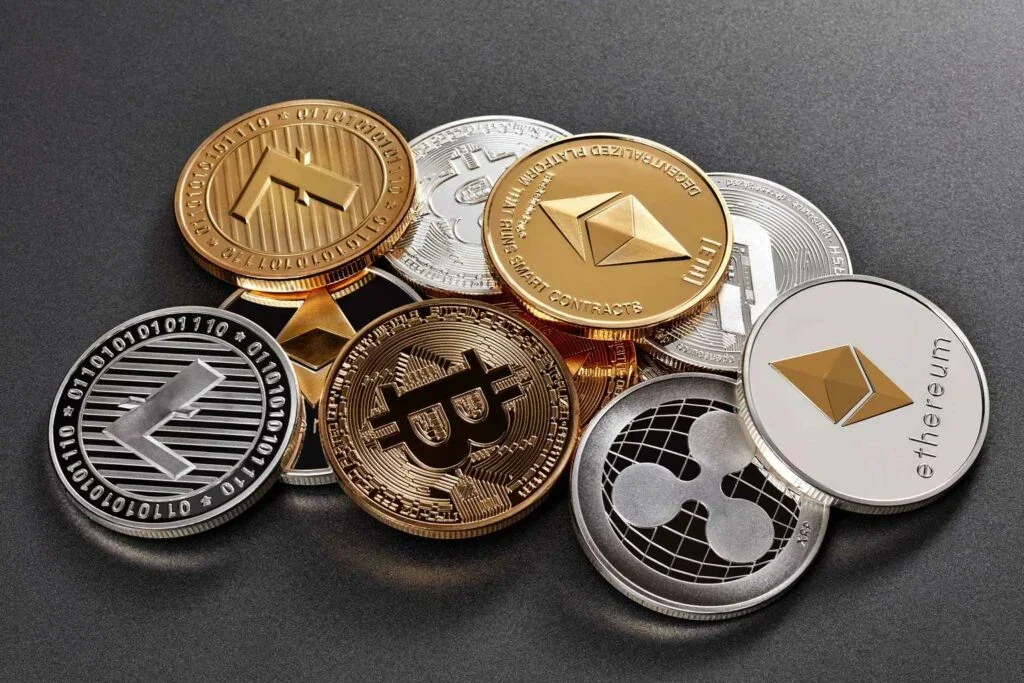
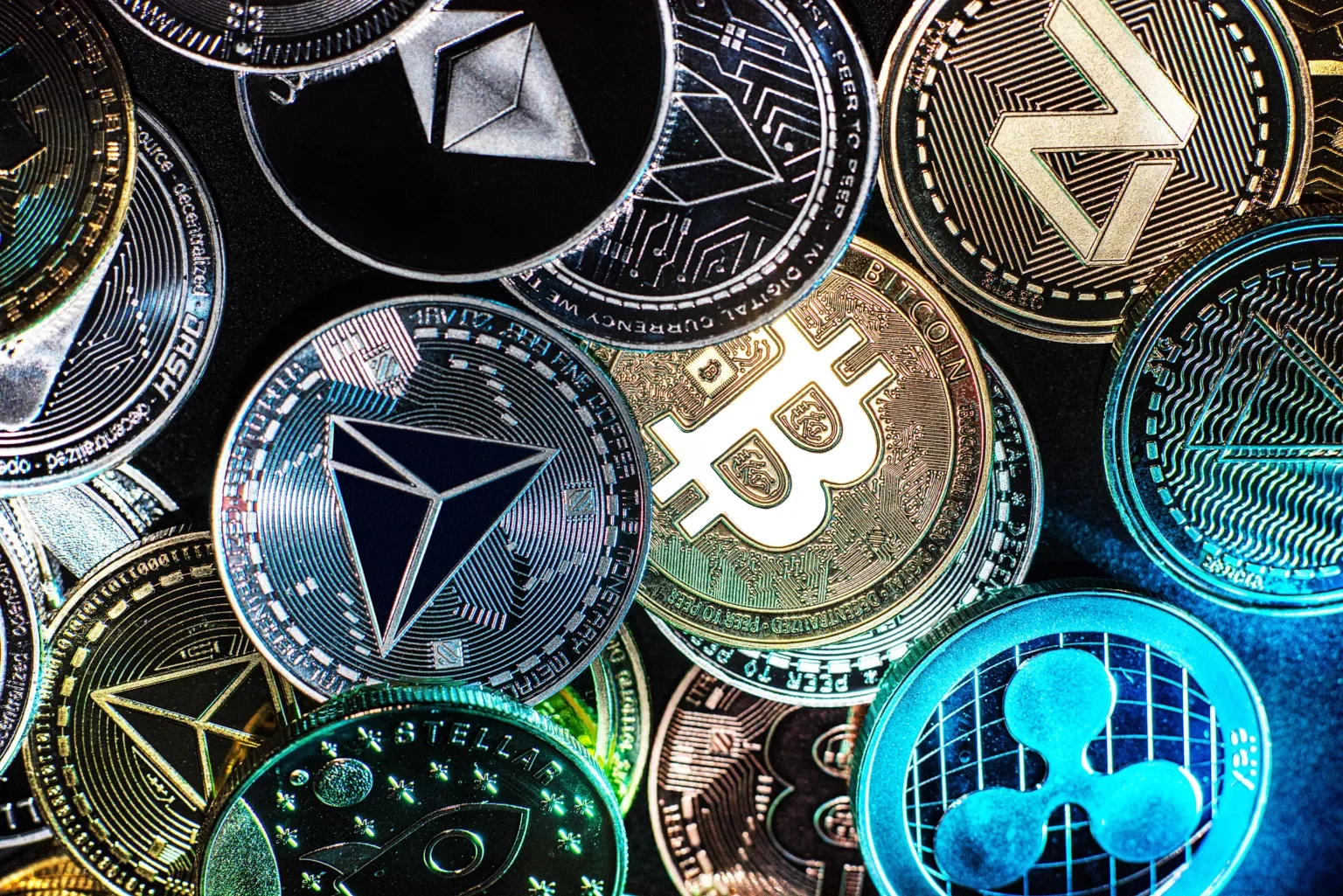
What is Ethereum? Should you invest in Ethereum?
What Is Ethereum? Should You Invest in Ethereum?
Introduction
Ethereum is one of the most talked-about cryptocurrencies after Bitcoin, and for good reason. With a global developer community and a platform that powers everything from decentralized finance (DeFi) to non-fungible tokens (NFTs), Ethereum has become more than just a “coin.” ETH is the native cryptocurrency of the Ethereum network, but the real value proposition often comes from what Ethereum enables: smart contracts that run on a decentralized blockchain.
If you’re new to crypto, it’s natural to wonder: What is Ethereum exactly, and should you invest in ETH? This guide breaks down Ethereum in plain English—how it works, its strengths and weaknesses, and the key risks you should understand before buying.
What Is Ethereum?
Ethereum is a decentralized blockchain network that allows developers to build and deploy smart contracts—programs that automatically execute when specific conditions are met.
Instead of relying on a central authority (like a bank or a corporation) to run applications, Ethereum uses a distributed network of computers (nodes) to process transactions and smart contract logic. This makes Ethereum a foundation for decentralized apps, including:
- DeFi: lending, borrowing, trading, and earning interest without traditional intermediaries
- NFTs: tokenized digital ownership
- Tokenization: representing real-world assets or new financial instruments on-chain
- DAOs: decentralized organizations run by code and community voting
ETH is the fuel of the network. When you interact with the Ethereum blockchain—such as sending transactions or using a decentralized application—you generally pay transaction fees (often called “gas”) in ETH.
How Ethereum Works
At a high level, Ethereum operates like a global computer that records and executes operations:
1) Transactions and Smart Contracts
- A transaction is a request to transfer ETH or to trigger actions on the network.
- A smart contract is a piece of code stored on Ethereum that can manage assets, logic, and rules without a central operator.
For example, in a DeFi lending protocol, a smart contract can:
- accept deposits,
- calculate interest,
- allow withdrawals,
- and handle collateral rules—automatically.
2) Consensus: Proof of Stake
Ethereum moved from Proof of Work to Proof of Stake (PoS). In PoS, network security and block creation are handled by validators who stake ETH.
- Validators lock up ETH as collateral.
- They propose and attest to new blocks.
- Honest participation earns rewards; malicious behavior can lead to penalties.
This change aimed to reduce energy usage and improve scalability and sustainability compared with the older mining model.
3) Gas Fees and Network Demand
Ethereum requires computational effort to process operations. Each action has a “cost” measured in gas. When network demand is high, gas fees typically rise. This is one reason Ethereum’s user experience can vary—especially during periods of heavy activity.
4) Upgrades and Scaling
Ethereum is actively evolving. Upgrades and scaling solutions are designed to improve throughput and reduce costs. Broadly, Ethereum scaling efforts include:
- Layer 1 improvements (core protocol enhancements)
- Layer 2 networks (separate environments that batch transactions and settle back to Ethereum)
These approaches help Ethereum handle more activity while maintaining security anchored to the main chain.
Pros and Cons of Ethereum
Before investing, it’s important to weigh both sides.
Pros
Strong ecosystem and developer adoption
Ethereum has one of the largest developer communities and the most established smart-contract infrastructure in crypto.Real utility beyond speculation
ETH is used to pay transaction fees and interacts with decentralized finance, exchanges, wallets, and token standards.Institutional familiarity
Ethereum is widely covered by financial institutions and infrastructure providers, which can support liquidity and integration over time.Network upgrades ongoing
Ethereum’s roadmap has focused heavily on scalability, security, and efficiency—suggesting it’s not a “finished” project.Decentralization and durability
Ethereum’s network is decentralized across many nodes worldwide, which reduces reliance on a single company or entity.
Cons
Fees can be high during congestion
If scaling doesn’t keep pace with demand, the cost of using Ethereum can remain a barrier.Smart contract risks
While Ethereum itself is secure, individual applications can have bugs, vulnerabilities, or exploit events. Your investment isn’t only about ETH—it can be affected by what happens in the broader ecosystem.Competition from other blockchains
Many networks compete for developers and users by offering faster transactions or lower fees. That could reduce Ethereum’s relative share of activity.Regulatory uncertainty
Crypto rules vary by country and can change quickly. Even if Ethereum’s fundamentals are strong, investor sentiment can be affected by regulation.Market volatility
ETH can experience sharp price swings, influenced by overall crypto markets and macroeconomic conditions.
Should Beginners Invest in Ethereum?
For beginners, Ethereum can be a reasonable starting point—but only if you approach it with clear expectations.
When Ethereum may be a good choice
- You want exposure to a major, widely used blockchain platform rather than a niche token.
- You’re comfortable with the idea that crypto is volatile and can drop significantly.
- You’re willing to learn basic concepts like wallet security, transaction fees, and long-term investing.
When you should be cautious
- If you’re looking for “quick profits” or guaranteed returns.
- If you can’t handle the emotional and financial impact of large drawdowns.
- If you don’t understand how to secure your holdings (e.g., avoiding scams, using reputable exchanges/wallets).
Beginner-friendly approach
If you do invest, many beginners prefer a conservative plan such as:
- Start small
- Use dollar-cost averaging (DCA) rather than trying to time the market
- Only invest money you can afford to keep invested for years
- Avoid leverage early on
Investment Potential: What Could Drive ETH’s Value?
Ethereum’s investment potential often comes from a combination of market dynamics and network fundamentals.
1) Ecosystem growth and usage
If more people and businesses use Ethereum-based applications, demand for block space and ETH for fees can increase. While ETH is not “automatically” priced like a traditional stock, sustained usage can support long-term valuation narratives.
2) Network improvements (scaling and efficiency)
Upgrades that reduce congestion and lower costs can make Ethereum more attractive to users. Improved performance often supports more activity—which may strengthen investor confidence.
3) Staking and ETH supply dynamics
Because Ethereum uses proof of stake, validators earn rewards by staking ETH. Additionally, Ethereum’s fee mechanics include burning a portion of transaction fees (depending on network rules), which can reduce net issuance during periods of high activity. In simple terms: higher usage can affect how quickly new ETH enters circulation.
4) Institutional adoption and integration
As infrastructure matures, more exchanges, custody providers, and regulated products may increase accessibility and liquidity—factors that can benefit
🚀 Trade Ethereum
Start trading Ethereum with low fees and high liquidity.