What is Bitcoin? Should you invest in Bitcoin?

What is Bitcoin? Should you invest in Bitcoin?
Introduction
Bitcoin has been in the spotlight for more than a decade, switching between hype cycles and “serious money” conversations. For some people, it’s a revolutionary technology and a hedge against traditional finance. For others, it’s a risky speculative asset with unclear long-term value.
So what is Bitcoin, and should beginners invest in it?
In this guide, we’ll break down what Bitcoin is, how it works, the potential benefits and downsides, and the key risks you should understand before putting any money into BTC.
What is Bitcoin?
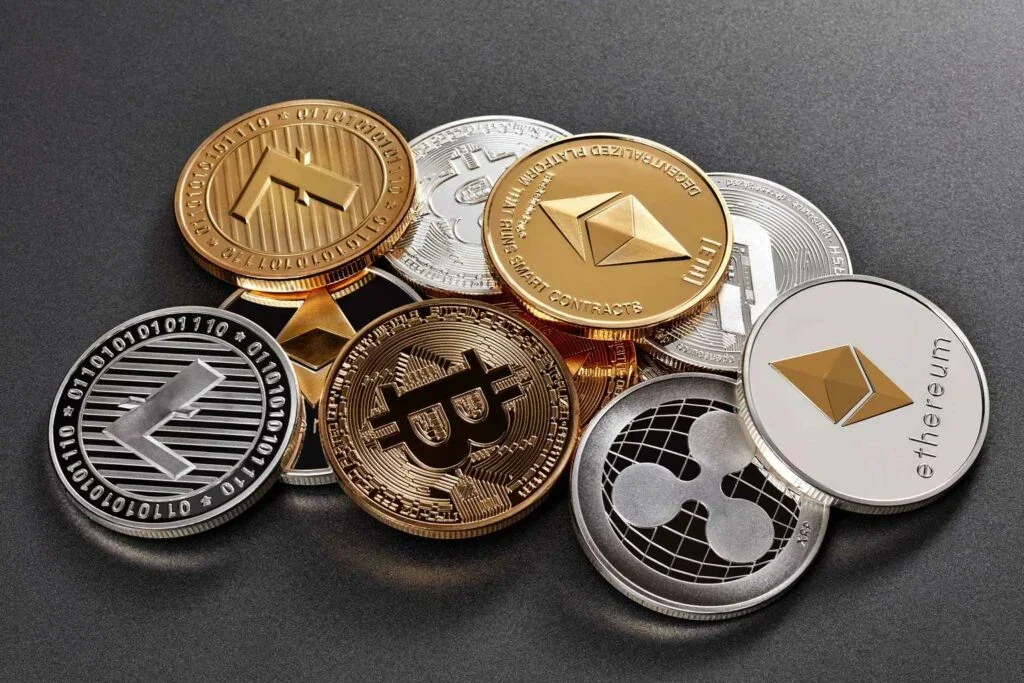
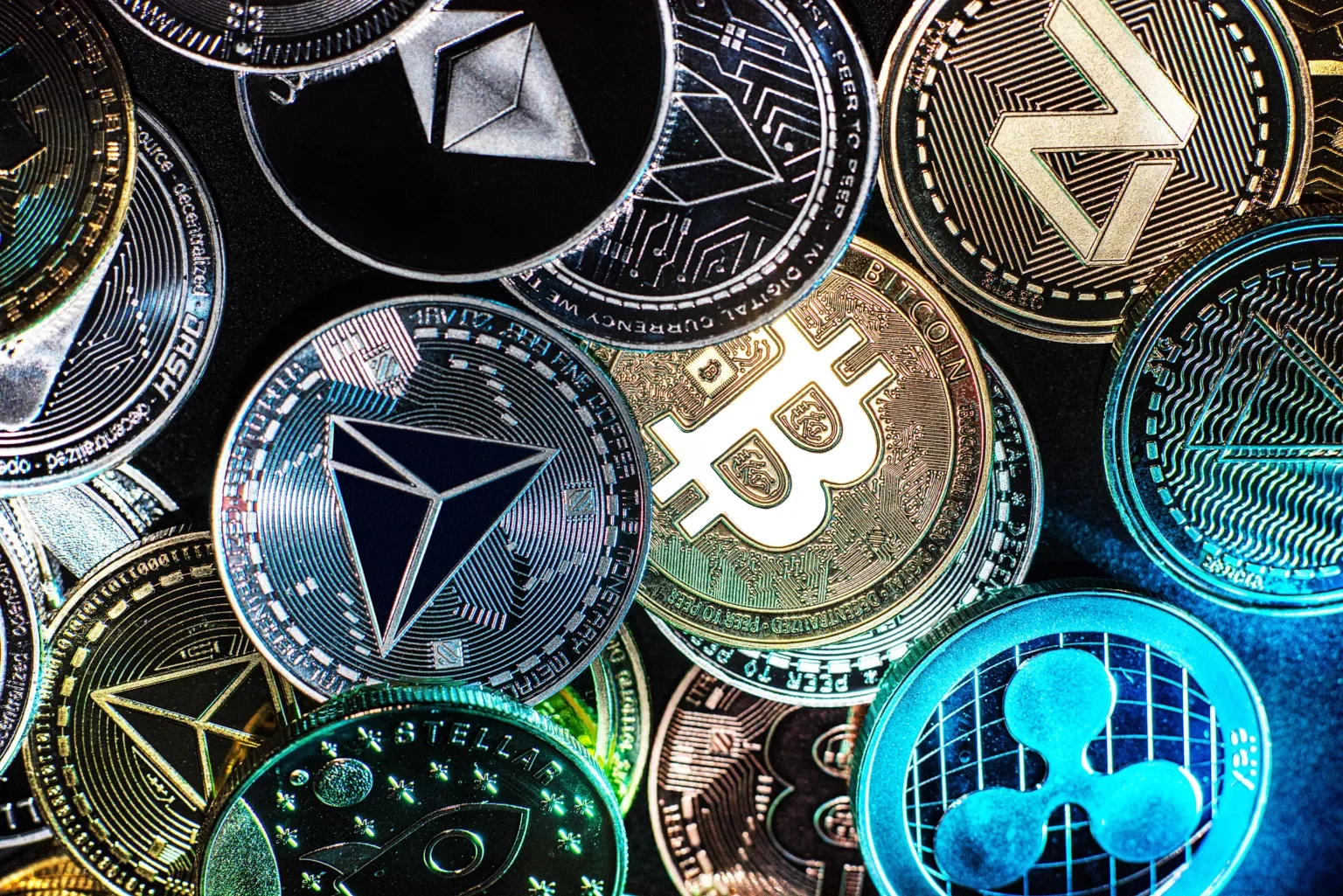
Bitcoin (BTC) is a decentralized digital currency—often called cryptocurrency—that allows people to transfer value over the internet without relying on a central bank, government, or payment processor.
Bitcoin is based on the idea that:
- You can make transactions peer-to-peer
- Transactions are recorded on a shared public ledger (a blockchain)
- The network can reach agreement on the transaction history without a single controlling entity
Bitcoin was introduced in 2009 and has since become the largest and most widely recognized cryptocurrency by market capitalization (often ranked #1). The current circulating supply is about 20,019,109 BTC (as referenced in your data).
How Bitcoin works (in plain language)
Bitcoin isn’t “stored” like a file on your computer. Instead, you own Bitcoin because you have the ability to spend it—technically, you control cryptographic keys that allow you to authorize transactions.
Here’s the core mechanism:
1) Transactions are broadcast to the network
When you send BTC, your wallet creates a transaction (including who is sending, who is receiving, and how much). This transaction is broadcast to the Bitcoin network.
2) Miners validate transactions
Bitcoin uses a proof-of-work system. Miners group transactions into blocks and compete to solve a computational puzzle. The first miner to solve it can add the block to the blockchain.
In simple terms, mining:
- Confirms transactions
- Helps secure the network from tampering
- Creates new BTC according to the protocol’s schedule
3) The blockchain records everything
Once a block is added, it becomes part of the blockchain—a public ledger of transaction history.
Because the blockchain is distributed across many computers, it’s extremely difficult to rewrite history without redoing enormous amounts of work.
4) Scarcity is built in
Bitcoin has a capped supply. New BTC enters circulation over time through mining, and the rate slows down as the network undergoes “halvings.”
This design is one reason many investors view Bitcoin as a potential store of value: there’s a predictable, limited supply rather than money being created at will.
Should beginners invest in Bitcoin?
There’s no universal “yes” or “no,” but beginners should be extra careful. Bitcoin can be a reasonable long-term investment for some people, yet it’s not suitable for everyone.
When Bitcoin may make sense for beginners
Bitcoin could fit if you:
- Have a long time horizon (years, not months)
- Can tolerate significant price swings
- Understand you may lose money in the short term
- Are building knowledge gradually instead of “all-in” quickly
- Treat it as a small part of your overall financial plan
When beginners should avoid or pause
You might want to avoid Bitcoin (or delay buying) if you:
- Rely on the money you’d invest for near-term expenses
- Get uncomfortable with large dips or uncertainty
- Don’t understand basic security practices (wallets, seed phrases, scams)
- Plan to chase hype or short-term price movements
A beginner-friendly approach (if you choose to invest)
Many newcomers use a risk-managed method such as:
- Start small (only what you can afford to hold through volatility)
- Consider dollar-cost averaging (investing a fixed amount periodically)
- Keep BTC as a portion of a diversified portfolio, not your entire plan
If you’re new, the best “investment” at the beginning may be learning how Bitcoin works and how to keep it safe.
Pros and cons of Bitcoin
Pros
1) Decentralization and censorship resistance
Bitcoin isn’t controlled by a single company or government. That makes it harder to block or restrict at the protocol level.
2) Transparent and verifiable
All transactions are recorded on the blockchain. Anyone can verify activity, which provides a level of transparency.
3) Scarce, with a known supply schedule
Bitcoin’s capped supply and decreasing issuance make its monetary policy predictable.
4) Global accessibility
Anyone with an internet connection can potentially access Bitcoin, regardless of local banking infrastructure.
Cons
1) Price volatility
Bitcoin’s market price can swing dramatically in relatively short periods. That volatility can stress beginners and tempt emotional trading.
2) Complexity and user risk
If you lose your private keys or get tricked by scams, recovering funds can be difficult or impossible.
3) Regulatory and tax uncertainty
Rules vary by country and can change. You may also face tax reporting requirements depending on your jurisdiction.
4) Environmental and energy debate
Bitcoin’s proof-of-work mining uses electricity. Supporters argue it can be powered by diverse energy sources, while critics focus on the environmental impact.
5) No guaranteed “intrinsic” cash flow
Unlike stocks (which can represent ownership in a business) or bonds (which pay interest), Bitcoin doesn’t generate cash flow. Its value depends largely on market demand and adoption.
Investment potential: why people buy Bitcoin
Bitcoin is often described as:
- A digital asset
- A store of value (sometimes compared to “digital gold”)
- A long-term speculative opportunity
- An adoption-driven asset correlated with broader interest in crypto
Here are the main arguments behind Bitcoin’s investment potential:
1) Adoption could increase demand
As more individuals and institutions use Bitcoin—directly or indirectly—demand may rise. Higher demand can push price upward.
2) Monetary narrative and scarcity
Some investors believe the combination of limited supply and decentralized nature could make Bitcoin resilient during certain economic scenarios.
3) Institutional involvement
In many markets, financial products and custody solutions have expanded, making it easier for institutions to participate. Greater access can improve liquidity and reduce friction.
That said, potential isn’t certainty. Bitcoin’s price can rise for reasons unrelated to fundamentals (like momentum, market sentiment, or macro conditions), and it can fall even when adoption grows.
Risks you must understand
Before buying BTC, it’s important to know the most common risk categories.
1) Market risk (volatility and drawdowns)
Bitcoin can experience severe declines. Even long-term holders may face years of underperformance. Investing without a plan can lead to panic selling.
2) Custody risk (security mistakes)
Common beginner errors include:
- Losing seed phrases
- Sending BTC to the wrong address
- Falling for phishing websites
- Keeping BTC on insecure devices
If you self-custody, you take on responsibility for security. If you use an exchange,
🚀 Trade Bitcoin
Start trading Bitcoin with low fees and high liquidity.