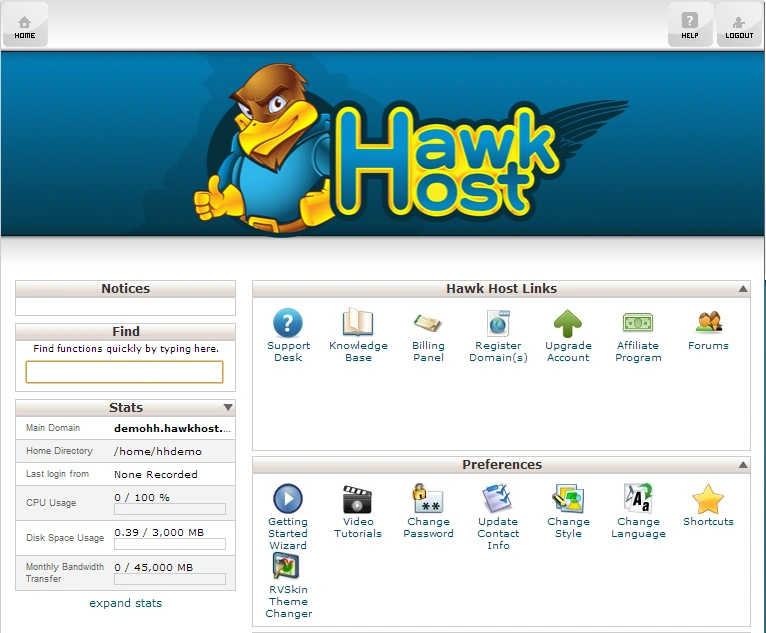
How To Use Hawkhost For Ecommerce Website

How To Use Hawkhost For Ecommerce Website
If you’re building an ecommerce website, hosting isn’t something to “set and forget.” You need reliable performance, strong uptime, good support, and enough flexibility to install the tools your store needs—like an SSL certificate, payment integrations, email notifications, and a shopping platform such as WooCommerce or Shopify (depending on your setup).
Hawkhost can be a practical option for many store owners, especially if you want straightforward hosting with features that help you get online and start selling. In this guide, I’ll walk you through how to use Hawkhost specifically for an ecommerce website—covering setup basics, important ecommerce considerations, and what to watch out for.
Getting started with Hawkhost for your online store
1) Choose the right hosting plan for ecommerce
Before you purchase anything, think about your store’s needs:
- Expected traffic: If you’re just launching, you may not need a high-traffic setup yet. But you do want room to grow.
- Platform requirements: Most ecommerce sites run on PHP-based stacks (like WordPress + WooCommerce), so you’ll want hosting that supports common PHP versions and extensions.
- Security needs: Ecommerce websites must have SSL, and it’s helpful if your hosting includes easy SSL handling.
- Performance and stability: Slow hosting can hurt user experience and conversions.
When comparing plans, look for details like storage limits, bandwidth, server locations, and resource type (shared vs. VPS). If your store will have lots of product images or traffic spikes, performance matters more than you might expect.
2) Set up your domain and DNS
To make your store accessible, you’ll need to connect your domain to your hosting.
Typically, this means:
- Buying or using a domain already registered elsewhere.
- Pointing your domain’s DNS records to Hawkhost (often via nameservers or specific A/AAAA records).
If you’re not sure what to enter, your Hawkhost dashboard or onboarding emails should provide exact steps and values. Double-check DNS propagation—updates can take some time depending on your registrar and TTL settings.
3) Secure your store with an SSL certificate (non-negotiable)
For ecommerce, SSL is essential. Without it, browsers may warn customers and payment flows can fail or feel unsafe.
Most hosts offer SSL support as part of hosting setup or via a control panel tool. After SSL is active:
- Verify that your site loads with https://
- Ensure all key pages redirect properly from HTTP to HTTPS
- Confirm that mixed content doesn’t appear (for example, images or scripts loading over HTTP)
If you’re using a CMS (like WordPress), you may also need to update settings and plugins so they fully use HTTPS.
Setting up your ecommerce platform
Option A: WordPress + WooCommerce (common for ecommerce)
If you’re building a store with WordPress, WooCommerce is a popular choice. With Hawkhost, you’ll usually follow these steps:
Install WordPress
- Many hosting providers offer one-click installs. If Hawkhost provides an installer, it can save time.
- If not, you can install manually by uploading WordPress files and creating a database.
Create a database
- For WordPress, you’ll need a MySQL/MariaDB database (or whatever the host supports).
- Use the host’s database tools to create it and note the username/password.
Configure permalinks and basic settings
- Set permalinks to a clean structure (often “post name” format).
- Confirm time zone settings so order timestamps and emails look correct.
Install WooCommerce
- Add WooCommerce via the WordPress plugin installer.
- Follow the setup wizard to create pages like Cart, Checkout, and My Account.
Option B: A different ecommerce stack
If you’re using a custom PHP app, Laravel-based store, or something else, the general workflow stays similar:
- Connect your domain
- Ensure server supports the technology your app needs (PHP version, database drivers, required extensions)
- Install your app and configure environment settings
- Enable SSL and test payment and checkout flows
Ecommerce-specific setup checklist (don’t skip these)
1) Make sure emails work properly
Order confirmations and password resets rely on email sending. Some ecommerce issues come from mail misconfiguration rather than the store code itself.
Check:
- Whether your host supports email sending from your server
- If you use SMTP, whether you can configure it (many stores use plugins for this)
- That “from” addresses and reply-to addresses look professional (and match your domain)
You can also test outgoing messages by placing a test order.
2) Set up caching and performance basics
Ecommerce customers care about speed—especially on mobile. Depending on Hawkhost’s tooling and your platform, you can improve performance by:
- Enabling server-side caching (if available)
- Using a content delivery network (CDN) if you handle many global customers
- Compressing images and using modern formats when possible
- Minimizing heavy plugins and scripts
Be cautious: some caching setups can interfere with checkout or cart updates if misconfigured, so always test.
3) Configure backups and recovery
A store is more than files—it includes product data, customer accounts, orders, and content. Backups help you recover after accidental changes, malware issues, or plugin problems.
Check whether Hawkhost provides:
- Regular automated backups
- Backup retention controls (how long backups are kept)
- One-click restore options
Even with good hosting backups, many store owners also add a separate backup solution for extra peace of mind.
4) Confirm payment integrations and webhooks
Whether you use Stripe, PayPal, or another provider, you should test the full payment flow:
- A test checkout from start to finish
- Email notifications triggered correctly
- Order status changes correctly in your admin dashboard
- Webhook endpoints (if used) work and are reachable over HTTPS
If something fails, you often need to check SSL, firewall rules, or URL settings in your ecommerce platform.
Guide: Step-by-step “first store” setup with Hawkhost
Here’s a practical order of operations you can follow:
Step 1: Purchase hosting + point your domain
- Sign up on Hawkhost
- Choose a plan that matches your expected traffic
- Connect your domain using nameservers/DNS instructions
Step 2: Enable SSL
- Turn on SSL in your host control panel (or install it if required)
- Confirm the site loads via
https://and redirects properly
Step 3: Install your ecommerce platform
- If using WordPress: install WordPress, then install WooCommerce
- If using another stack: deploy your app and configure database connections
Step 4: Set up store essentials
- Product categories and product pages
- Shipping rules
- Taxes (as applicable to your country/region)
- Checkout settings and account creation options
Step 5: Configure emails
- Test order confirmation emails
- Test password reset emails
- Make sure headers and “from” addresses look correct
Step 6: Add performance improvements
- Enable caching (carefully)
- Compress images
- Test key pages: homepage, product page, cart, checkout
Step 7: Run test transactions
- Place a test order (all payments you plan to support)
- Verify order status, emails, and any admin notifications
- Confirm refunds and cancellation behavior if relevant
Step 8: Monitor after launch
After going live, keep an eye on:
- Uptime (is your site consistently accessible?)
- Server response times
- Error logs and ecommerce platform logs
- Abandoned carts or checkout drop-offs (often performance or configuration-related)
Pros / Cons of using Hawkhost for ecommerce
Pros
- Ecommerce-friendly essentials: Supports common requirements like SSL and standard web hosting workflows.
- Straightforward onboarding: Many users find hosting setup manageable through the dashboard tools and documentation.
- Good for small to mid-sized stores: If you’re launching or scaling gradually, Hawkhost can be a good match.
Cons
- Plan sizing matters: If you expect large traffic spikes or heavy resource needs, you may need to upgrade sooner than you’d expect.
- You’ll still need platform configuration: Hosting doesn’t eliminate the need to set up caching, performance, emails, and payments correctly in your ecommerce system.
- Support quality depends on your plan and issue type: Like any host, faster resolution may depend on how complex the problem is.
Final thoughts: using Hawkhost effectively for ecommerce
To use Hawkhost for your ecommerce website, focus on more than just getting your files online. The real goal is a store that’s secure, fast enough for shoppers, and dependable when customers actually checkout.
Start with choosing the right plan, connect your domain, enable SSL, and set up your ecommerce platform properly. Then spend time on the ecommerce-specific details—emails, backups, performance, and payment testing. If you do that early, your launch will feel smoother and your store will be far less likely to run into avoidable issues later.
If you tell me what ecommerce platform you’re using (e.g., WooCommerce, Magento, custom PHP, etc.) and roughly how much traffic you expect, I can suggest an ideal setup checklist tailored to your situation.
🚀 Sign Up for hawkhost
Register for hawkhost here to receive a “lifetime discount” of up to 20%