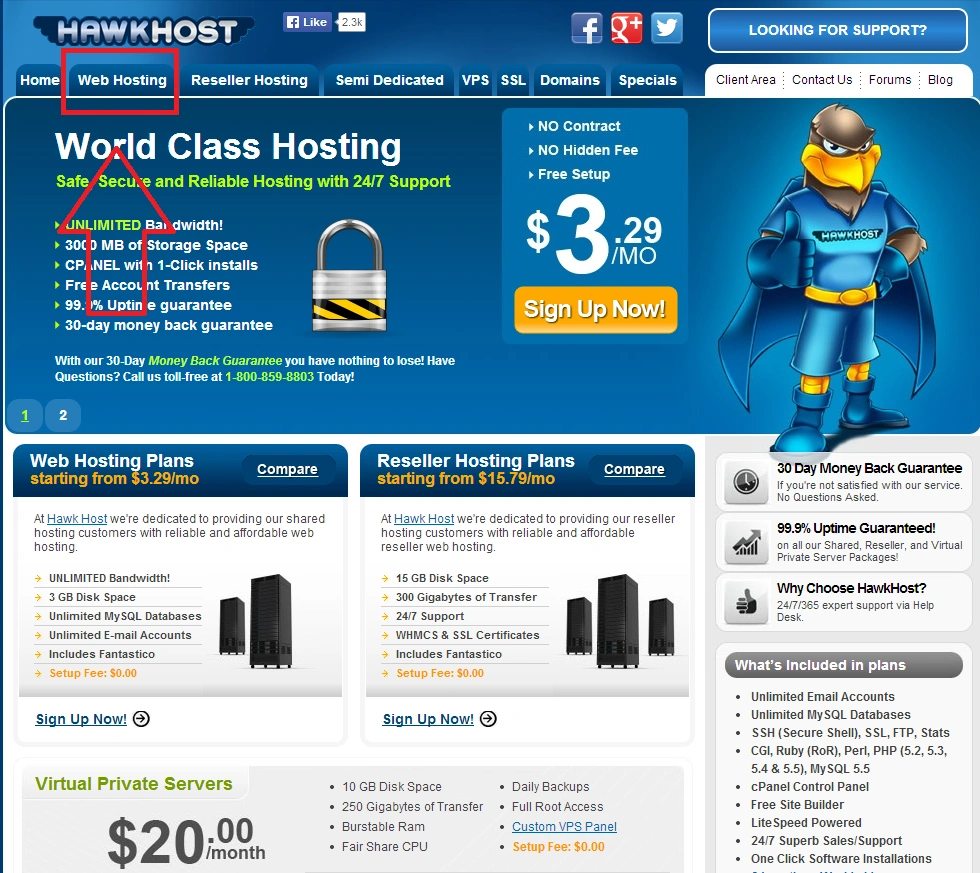
Hawkhost Vs SiteGround: Pros And Cons Compared

Hawkhost Vs SiteGround: Pros And Cons Compared
Choosing the right web host can feel overwhelming, especially when two popular providers sit in very different “lanes.” Hawkhost is widely known for budget-friendly pricing and features aimed at users who want value and control. SiteGround, on the other hand, is a long-standing name in managed hosting, praised for speed, reliability, and support.
So which one is the better fit? The most helpful answer depends on what you’re building, your technical comfort level, and how much you care about managed assistance. Below is a practical comparison—without the marketing fluff.
What Hawkhost and SiteGround are really like
Before getting into pros and cons, it helps to understand the general positioning of each company.
- Hawkhost typically appeals to people who want cost-effective hosting with solid performance and a feature set that doesn’t feel stripped down.
- SiteGround is geared toward users who prefer managed services, strong uptime practices, and responsive support—especially for WordPress websites.
Both can host real, functioning websites. The difference is how they tend to approach reliability, ease of use, and the experience you get after signing up.
Performance and reliability
Hawkhost
Hawkhost generally performs well for the price, and many users report smooth day-to-day hosting. Since the provider is often selected for affordability, performance expectations tend to be “good for the cost” rather than “always top-tier across every market.”
That said, like any host, results depend on factors such as:
- server location (where your visitors are),
- traffic patterns,
- your chosen plan and resources,
- caching and optimization.
SiteGround
SiteGround is known for consistency and strong operational practices. It has a reputation for handling traffic spikes and keeping services stable. For many customers, the “it just works” experience is the biggest draw—particularly when running WordPress sites that need caching and sensible performance defaults.
If your site’s success depends on reliability and smooth visitor experience, SiteGround typically has an edge in reputation and support-driven troubleshooting.
Speed and optimization features
Hawkhost
Hawkhost’s speed-related capabilities are usually more “you’ll have to use what you’re given” rather than “we handle everything for you.” Many users can achieve strong results with the right configuration—like enabling caching, choosing good themes/plugins, and tuning where necessary.
If you’re comfortable optimizing your setup, you may be able to squeeze a lot of value out of the platform.
SiteGround
SiteGround often includes features that help with speed right away—especially around WordPress hosting. Their environment is frequently described as well-optimized, and they make it easier for non-experts to get better loading times without extensive technical work.
If you want performance with less manual effort, SiteGround is usually the safer recommendation.
Ease of use and management
Hawkhost
Hawkhost can be a great option if you like having flexibility. Depending on the product you choose, you may get access to control panel tools and the freedom to configure things as you see fit.
This is ideal for:
- developers,
- small businesses with someone technical in-house,
- users who don’t mind learning one or two hosting settings.
SiteGround
SiteGround is generally easier for users who want guidance and streamlined management. The platform experience is typically smoother, and their approach is more aligned with “set up a website quickly, then maintain it with help if you need it.”
This is especially helpful if you’re:
- building your first WordPress site,
- managing content regularly and want fewer hosting headaches,
- relying on support to solve problems fast.
Support quality and responsiveness
Hawkhost
Hawkhost support is often viewed as practical and helpful, particularly for common hosting questions. However, the overall experience can vary based on your issue complexity and how much detail you provide.
If you can clearly describe what you’re seeing (and what platform you’re using), you’ll likely get better outcomes with any host.
SiteGround
SiteGround is widely praised for support quality. Their teams are typically quick to respond and more likely to guide you through technical troubleshooting—especially for WordPress and performance-related issues.
If you value support that feels like a partner (not just a ticket number), SiteGround tends to win this category.
Pricing and value for money
Hawkhost
Hawkhost is usually attractive for people who want to keep costs down without sacrificing basic quality. When you compare plan prices, it often looks like a stronger deal for the resources included.
That said, always check:
- renewal pricing (some offers are cheaper at first),
- what’s included (storage, bandwidth, backups, managed features),
- whether the plan matches your growth expectations.
SiteGround
SiteGround often costs more than budget hosts. However, many customers consider that extra cost justified by managed features, support quality, and consistent performance.
If you’re comparing “cheapest monthly price” only, Hawkhost can look better. If you compare total experience and risk reduction, SiteGround can be worth the difference.
Features you should check before choosing
Web hosting comparisons often sound similar, so it’s important to look at the specifics that matter for your situation. Here are the key things to verify:
- Backup options: Are backups included, automatic, and how easy are they to restore?
- Security tools: SSL certificates, malware scanning, and protection features.
- Caching: Is server-level caching included? Is it simple to configure?
- CDN: Is a CDN available or included?
- Email: Do you get email hosting? Are there limits on accounts?
- Resource limits: CPU, memory, and whether you’re on shared hosting, VPS, or cloud.
- Scalability: Can you upgrade easily if traffic grows?
Both Hawkhost and SiteGround may offer these in some form, but the details (and ease of use) can differ substantially.
Pros / Cons (quick comparison)
Hawkhost — Pros
- Often lower pricing with good value for typical small-to-medium sites
- Flexible hosting experience, suitable if you want control
- Can be a solid choice for users who are comfortable managing configurations themselves
Hawkhost — Cons
- Managed support experience may not feel as guided as SiteGround
- Speed and reliability can depend more on how you configure and optimize
- If you want “set it and forget it,” you may need more involvement
SiteGround — Pros
- Strong reputation for reliability and performance consistency
- Excellent support quality, especially for WordPress troubleshooting
- Often includes speed and optimization features with less effort
SiteGround — Cons
- Higher cost compared to many budget-friendly providers
- Some users may find it less flexible if they prefer hands-on tuning
- Like any host, the best results still depend on your site setup and plugin choices
Which should you choose? A practical guide
If you’re still unsure, here are a few scenarios that make the decision easier.
Choose Hawkhost if…
- You want the best value and plan to keep your budget tight.
- You’re comfortable managing your site (caching, security settings, updates).
- You have a small business website or a personal project where you’re willing to troubleshoot if something unusual happens.
- You prefer flexibility over “managed everything.”
Choose SiteGround if…
- You want managed hosting support that feels reliable and responsive.
- You’re building a WordPress site and want fewer performance headaches.
- Your website matters commercially, and downtime or slowdowns are costly.
- You want a smoother overall hosting experience with help when you need it.
If you’re deciding between the two for WordPress
Both can work well for WordPress, but SiteGround is often the more straightforward path because it’s designed around managed WordPress needs. Hawkhost can be a great value option too, especially if you have the know-how to optimize your environment.
Things to consider before committing
No matter which host you pick, test like a real customer.
- Check the renewal price (not just the intro offer).
- Look at the terms around resources—shared hosting plans can behave differently under load.
- Review the backup policy carefully. Backups are only useful if you can restore them quickly.
- Read recent reviews for your specific use case (WordPress, e-commerce, traffic levels).
- If possible, try a short plan and evaluate performance for a couple of weeks.
A fair final takeaway
Hawkhost vs SiteGround is essentially a choice between value with more self-management versus premium support and a more managed experience.
- If you’re cost-conscious and technically comfortable, Hawkhost can be a smart, budget-friendly option that still delivers solid hosting.
- If you want a host that’s known for dependable performance and high-quality support—especially for WordPress—SiteGround is usually the safer, more “hands-off” choice.
Pick the one that matches your priorities, not just your budget. If you tell me what you’re building (WordPress or not, expected traffic, and whether you need managed support), I can help narrow it down to the best option for your situation.
🚀 Sign Up for hawkhost
Register for hawkhost here to receive a “lifetime discount” of up to 20%