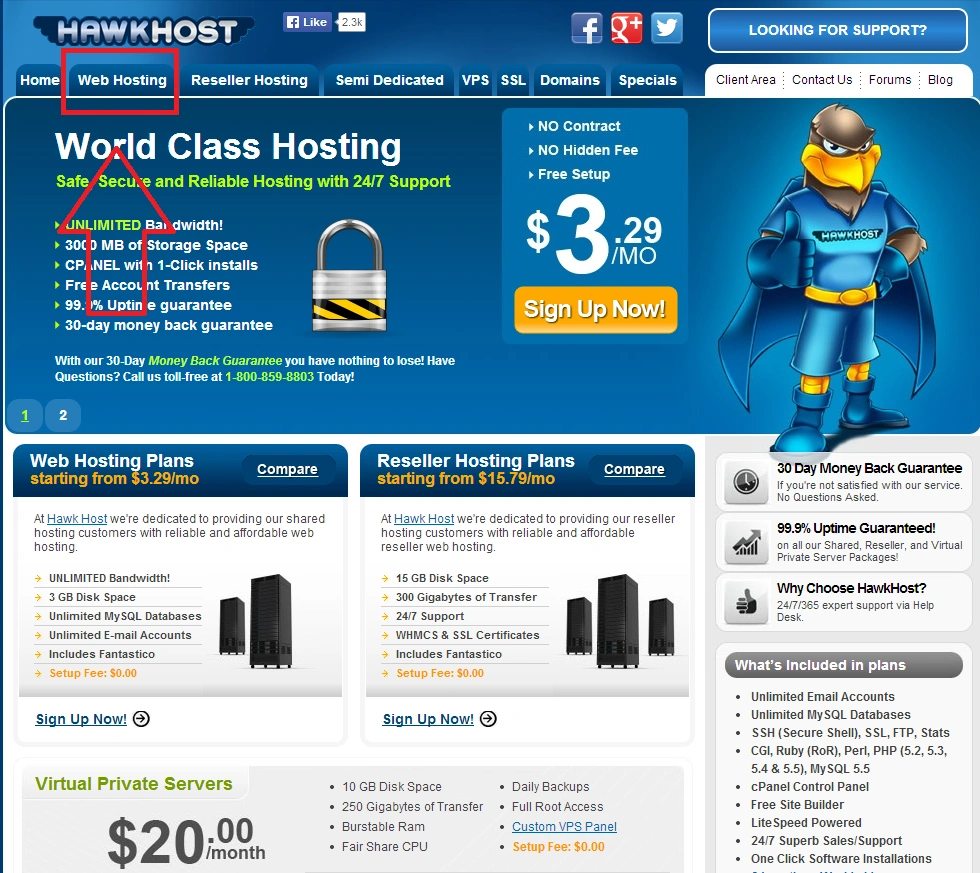
Hawkhost Vs Competitors Advantages And Disadvantages

Hawkhost Vs Competitors: Advantages and Disadvantages
Choosing a web host can feel overwhelming—especially when you’re comparing companies that sound similar on paper but behave very differently in real life. Hawkhost is a hosting provider many people consider for cost-effective plans, privacy-friendly options, and a variety of hosting types. Still, whether it’s the best choice depends on what you need: site speed, support quality, server locations, storage limits, bandwidth rules, and the overall “fit” for your projects.
Below, I’ll break down Hawkhost versus common competitors, highlight practical advantages and disadvantages, and give you a clear way to decide.
What Hawkhost does well (and where it may fall short)
Hawkhost typically appeals to customers who want a straightforward hosting solution without paying premium prices. Depending on the product line you select, you may find features aimed at developers, small businesses, and privacy-conscious users. The overall experience tends to focus on hosting reliability and value rather than “marketing-heavy” extras.
That said, Hawkhost is not the right choice for everyone. Some users prefer managed services, modern control panels, or large reseller ecosystems. Also, depending on the plan, you may encounter limitations that matter later—like resource caps, fewer data center options, or constraints on how much growth you can handle without upgrading.
Hawkhost vs. common hosting competitors
To compare fairly, it helps to group competitors by what they typically offer: budget shared hosting, premium managed hosting, and VPS providers. While every company has different plan tiers, their general strengths and weaknesses tend to follow patterns.
Hawkhost vs. Hostinger / Bluehost (budget shared hosting giants)
Where Hawkhost can be stronger
- Value for specific use cases: If you’re looking for solid hosting at lower cost and don’t need a huge suite of marketing add-ons, Hawkhost may feel refreshingly practical.
- More “developer-friendly” options (depending on plan): Some users like providers that don’t force every beginner-friendly feature but still offer flexibility for experienced customers.
Where competitors often win
- Beginner experience: Large brands like Hostinger and Bluehost usually provide very polished onboarding, strong documentation for beginners, and widely used interfaces.
- Easier brand confidence: Many people feel comfortable choosing a long-established provider because of familiarity and extensive review coverage.
Bottom line: If you want a smooth beginner setup with minimal friction, bigger brands often win. If you want cost control and you’re comfortable managing more yourself, Hawkhost may be a better match.
Hawkhost vs. SiteGround (managed, performance-focused hosting)
SiteGround is often praised for speed and customer support. For many users, managed hosting quality is the deciding factor.
Hawkhost advantages
- Potentially lower pricing: Depending on promotions and plan types, Hawkhost may provide similar hosting categories for less money.
- Privacy and control orientation: If privacy and straightforward server management matter to you, Hawkhost can feel more aligned with that style.
Hawkhost disadvantages
- Managed support expectations: SiteGround typically sets a high standard for proactive support and performance optimization. If you expect the host to handle more of the “hard parts,” Hawkhost may not match the same level of management.
- Performance consistency: Premium-managed providers often invest heavily in caching, infrastructure tuning, and proactive monitoring.
Bottom line: Choose Hawkhost if you’re budget-aware and can manage configurations. Choose SiteGround if you want a more hands-off, high-touch experience.
Hawkhost vs. DigitalOcean / Linode / Vultr (cloud/VPS providers)
Cloud and VPS providers often attract users who want control, predictable performance, and scaling options.
Hawkhost advantages
- Good value for smaller projects: If Hawkhost offers VPS plans with competitive pricing and your resource needs are moderate, it can be cost-effective.
- Simpler plans compared to full cloud ecosystems: Some cloud providers offer powerful tools, but that power can create complexity.
Hawkhost disadvantages
- Ecosystem maturity: Larger VPS/cloud brands typically have wider documentation, more integrations, and a more established user community.
- Scaling and tooling: Competitors often provide better built-in tools for auto-scaling, backups, and easy migrations—depending on the setup.
Bottom line: If you want maximum flexibility and a rich ecosystem, cloud-focused competitors often feel easier to grow with. If you want a simpler, potentially cheaper VPS path, Hawkhost could still work well.
Hawkhost vs. A2 Hosting / WP Engine (performance and WordPress specialization)
Some competitors focus heavily on WordPress speed and reliability. Others offer turbo-charged infrastructure claims.
Hawkhost advantages
- Better fit for non-standard needs: If your site doesn’t strictly behave like a typical WordPress blog, a more general-purpose hosting provider might give you more practical options.
- Customizability: WordPress specialists can be great, but general hosts sometimes offer more freedom for custom stacks.
Hawkhost disadvantages
- WordPress optimization depth: Dedicated WordPress hosting providers often provide plugin-level caching, specialized optimization layers, and WordPress-specific support.
- Managed plugin/workflow benefits: If you want managed updates, staging workflows, and performance tooling designed specifically for WordPress, specialized hosts may deliver more.
Bottom line: If you’re running WordPress and want a platform optimized for it, specialized competitors can be worth paying extra for. If your needs are broader, Hawkhost may be more flexible.
Quick pros and cons of Hawkhost
Pros
- Cost-conscious plans: Hawkhost often appeals to users who want strong hosting without spending top-tier prices.
- Practical feature sets: Many users appreciate that the service doesn’t feel overly bloated with features they won’t use.
- Potential flexibility (plan-dependent): Depending on the hosting type, you may get enough control to support custom configurations.
- Privacy-friendly approach: For customers who care about privacy, Hawkhost’s reputation in this area can be a deciding factor.
Cons
- Support expectations vary by plan: Some competitors—especially managed-focused providers—may offer a more proactive or hands-on experience.
- Performance consistency depends on your tier and region: As with any host, your experience can be strongly impacted by server location, traffic patterns, and resource allocation.
- Less “all-in-one” polish than mega-brands: Large providers often offer smoother onboarding and more guided setup for beginners.
- Growth may require upgrades: If you’re scaling quickly, check limits carefully so you don’t get surprised later.
Pros / Cons comparison snapshot (decision-focused)
When Hawkhost is likely a good choice
- You want budget-friendly hosting without sacrificing reliability.
- You’re comfortable with some technical responsibility (especially on VPS plans).
- You value privacy and control over heavily managed convenience.
- You have a smaller site or moderate traffic needs and want a stable environment.
When competitors may be better
- You need hands-on managed support and proactive performance tuning (often see this with managed hosts).
- You’re a complete beginner and want the easiest onboarding and guidance.
- You plan to scale fast and need strong cloud-style tooling and flexibility.
- You run WordPress and want specialized caching/workflows and WordPress-first support.
A practical guide to choosing between Hawkhost and competitors
Before you decide, evaluate your needs across a few categories. This prevents “pricing traps” where cheaper hosting later becomes expensive in time or upgrades.
1) Match the hosting type to your skills
- Shared hosting: Best for simple sites and low-to-moderate traffic.
- VPS: Better for developers or sites needing more control and resources.
- Managed WordPress / managed hosting: Best if you want the provider to handle most technical work.
2) Check limits that commonly get overlooked
Look at:
- bandwidth and traffic caps
- CPU/RAM allocation (especially on VPS)
- storage type (SSD vs. older storage)
- backup frequency and retention
- email and domain limits
- allowed resource usage during spikes
3) Confirm server locations and latency
If your audience is mostly in one region, choose a host with a data center that minimizes latency. Even the best marketing cannot fix slow connections to your visitors.
4) Compare real support quality
Read recent reviews and look for:
- response times
- whether support is actually technical
- how often tickets get escalated
- clarity of answers
5) Start with a plan you won’t outgrow instantly
If you anticipate growth, choose a provider whose upgrade path is smooth. You don’t want a migration project every time your traffic increases.
Final thoughts
Hawkhost can be a strong option if you’re looking for value, reasonable control, and a hosting experience that doesn’t overwhelm you with unnecessary complexity. The trade-off is that some competitors—especially managed hosts and large cloud/VPS providers—may offer more polished onboarding, deeper performance tooling, or a more hands-on support style.
Ultimately, the best choice comes down to fit: your budget, your technical comfort level, your expected traffic, and how much you want the hosting company to handle versus you.
If you want, tell me what kind of site you’re running (WordPress, custom app, ecommerce, etc.), your monthly traffic estimate, and whether you prefer shared or VPS hosting—then I can suggest which type of competitor is most comparable to Hawkhost for your specific situation.
🚀 Sign Up for hawkhost
Register for hawkhost here to receive a “lifetime discount” of up to 20%