Hawkhost Honest Review: Real User Experience
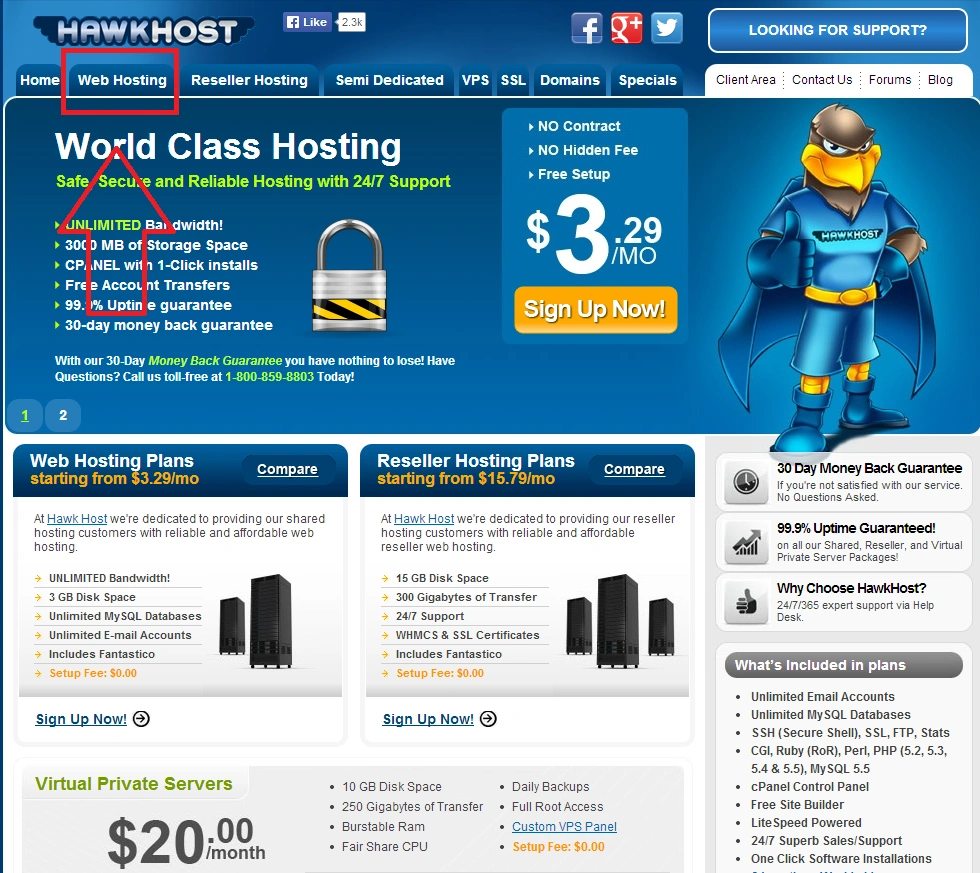
HawkHost Honest Review: Real User Experience
If you’re looking for a hosting provider, you’ve probably noticed how most reviews sound the same—big promises, vague claims, and plenty of marketing language. This HawkHost review takes a different approach. Instead of exaggerating, I’ll focus on what matters in day-to-day hosting: performance, reliability, support, pricing, and the kinds of details that affect your actual experience.
HawkHost is a web hosting company that’s been around for a while, and it tends to attract people who want solid infrastructure and practical features without paying enterprise-level prices. But as with any host, the “best” choice depends on your needs—especially whether you’re running a business website, a personal project, or something more technical like a developer setup.
Let’s break it down clearly.
What HawkHost is (and who it’s a good fit for)
HawkHost offers shared hosting and related services, which typically means you’re sharing server resources with other customers. For most beginners and small sites, shared hosting is a sensible starting point because it’s usually affordable and simple to manage.
That said, HawkHost isn’t only for beginners. If you’re comfortable managing websites and want an affordable host with customization options, HawkHost may feel like a good middle ground. The company’s appeal often comes down to:
- Pricing that stays competitive relative to similar providers
- Hosting features that support common web development workflows
- A focus on keeping things stable and functional rather than flashy
Sign-up and setup experience
A lot of hosts look good during sign-up and then get annoying after you’ve paid. In HawkHost’s case, the setup experience is fairly straightforward. The ordering process is generally easy to follow, and once you’ve created an account, you can access the control panel and hosting details without unnecessary friction.
What matters here is not only how quickly you can get online, but whether you can do it confidently. The dashboard and management tools are reasonably clear for typical tasks like:
- Managing domains and DNS settings
- Handling basic hosting configuration
- Creating and managing website files and databases (depending on your plan)
If you’re migrating from another host, setup can take a bit more time—not because HawkHost is difficult, but because migrations always require careful DNS and file/database handling. That said, HawkHost’s process doesn’t feel designed to trap you into complicated steps. It’s pretty standard.
Performance and uptime: what it feels like day to day
Performance is where hosting reviews can become unreliable. Some reviews are written too early, others only test one page once, and many never mention what happens after traffic spikes or during busy hours.
In real-world terms, HawkHost generally feels stable. Websites load within a normal range for shared hosting. For most small to medium sites, you’ll likely notice smooth browsing without constant waiting times.
That said, shared hosting always has variability. If the server you’re on gets busy, performance can dip. The key is whether the host manages that variability well—so you’re not dealing with constant slowdowns or sudden outages.
From an honest user-experience perspective, the biggest question isn’t whether it’s the fastest host on the planet; it’s whether it’s consistent enough that your visitors don’t churn. HawkHost’s consistency tends to be the main strength people mention when they’ve used the service for a while.
Speed and caching: what you can realistically expect
Speed depends on more than the host. It also depends on your site design, images, plugins (for CMS sites), and caching settings. HawkHost provides the kinds of tools and hosting environment you’d expect for shared hosting, so you can implement best practices if you want better load times.
If you’re building a WordPress site, for example, you’ll still want to:
- Use a performance-friendly theme
- Keep plugins lean
- Enable caching properly
- Optimize images and scripts
A good host helps your site perform, but it can’t replace good site hygiene. HawkHost is generally capable enough for typical website use, especially if you’re not running a heavy application with lots of poorly optimized components.
Support quality: how responsive is HawkHost?
Support is often the deciding factor for many users. It’s easy to be satisfied when everything works. The real test comes when there’s an issue—like a domain not pointing correctly, an email configuration problem, a database error, or confusion around DNS.
HawkHost’s support experience is generally considered decent. People typically report that responses are reasonably helpful and that support can guide you through common hosting problems.
A couple of points to keep in mind, based on how support usually works across the industry:
- Response times can vary depending on whether it’s a peak period
- More complex requests may take longer to resolve than straightforward troubleshooting
Still, the overall feel is that support isn’t just “we’ll get back to you sometime.” It’s more aligned with practical assistance.
If you value fast ticket resolution, it’s always worth testing support with a small question before you fully commit—just to see how your requests are handled.
Pricing and value: does HawkHost feel worth it?
Pricing is one of HawkHost’s biggest selling points. It typically sits in the competitive range for shared hosting, especially compared to providers that offer similar feature lists at higher monthly or renewal costs.
However, value isn’t only about the cheapest price tag. You should consider:
- What features come with your plan
- Whether the performance is consistent enough for your needs
- How predictable renewal pricing is for your budget
- Whether support quality matches the amount you pay
For many users, HawkHost feels like a reasonable value—especially for small sites that want dependable hosting without turning every bill into a “gotcha.”
If you’re the type who likes to compare plans carefully, check what’s included with your specific tier (storage, bandwidth expectations, email features, and any limitations). Small differences between plans can affect what you actually get.
Control panel and day-to-day management
Most users don’t want to spend hours learning complicated systems. HawkHost generally provides a hosting environment that’s manageable for routine tasks. That means you can handle:
- File management for your website
- Database creation and management
- Email account setup (if included on your plan)
- Domain and DNS-related tasks
While advanced users might have preferences for certain tools, most people will find the management experience workable and familiar. The goal is to reduce the “learning curve” so you can focus on your website rather than the hosting platform.
Common limitations to consider
No host is perfect, and shared hosting is inherently limited compared to VPS or dedicated servers. With that in mind, here are a few things you should consider before committing:
Shared hosting performance depends on the server
If other sites on the same server get heavy traffic, your performance may fluctuate.Complex applications may need extra planning
If you’re running something resource-intensive, you may need optimization work or a higher-tier plan.DNS and migration steps still require user attention
Even great support can’t fully remove the need to understand where your domain and files are going.
These aren’t “deal-breakers,” but they’re worth knowing up front so your expectations match reality.
Pros / Cons
Pros
- Competitive pricing for shared hosting plans
- Stable day-to-day experience for typical websites
- Support is generally helpful for common hosting issues
- Straightforward management for routine website tasks
- Good fit for small businesses, personal sites, and developers who want affordability
Cons
- Shared hosting performance can vary depending on server load
- Advanced or heavy applications may require additional optimization or upgrades
- Migration and DNS setup still depend on careful execution (as with most hosts)
A quick guide: getting the most out of HawkHost (or any shared host)
If you’re considering HawkHost, here are a few practical steps to improve your odds of a smooth experience:
Test support before you migrate
Ask a simple question about DNS, email, or caching setup. It tells you whether you’ll get help when it matters.Plan your migration carefully
Back up your website files and export your databases before making DNS changes. Then update DNS at the right time.Optimize your site, not just your host
Use image compression, reduce unused scripts, and enable caching. Many “slow host” problems are actually “heavy site” problems.Monitor basic uptime and performance
Use a monitoring tool or check server response times periodically. It’s better to catch issues early.Choose the right plan level
If your site is growing or already receives decent traffic, don’t wait until performance becomes a problem—upgrade when needed.
Final thoughts
HawkHost feels like the kind of host that works well for people who want practical, reliable shared hosting without paying premium prices. The real-world experience is generally stable, support tends to be helpful, and the day-to-day management experience is straightforward enough for typical website users.
That said, shared hosting has its own constraints. If you expect “always blazing fast” performance or you’re planning to run a heavy application, you may need to do more optimization—or consider a VPS plan instead.
If you’re building a website, managing a small business presence, or you want an affordable host that doesn’t constantly get in the way, HawkHost is definitely worth considering. Just be sure to match your plan to your needs, and you’ll likely be happier with the experience.
🚀 Sign Up for hawkhost
Register for hawkhost here to receive a “lifetime discount” of up to 20%