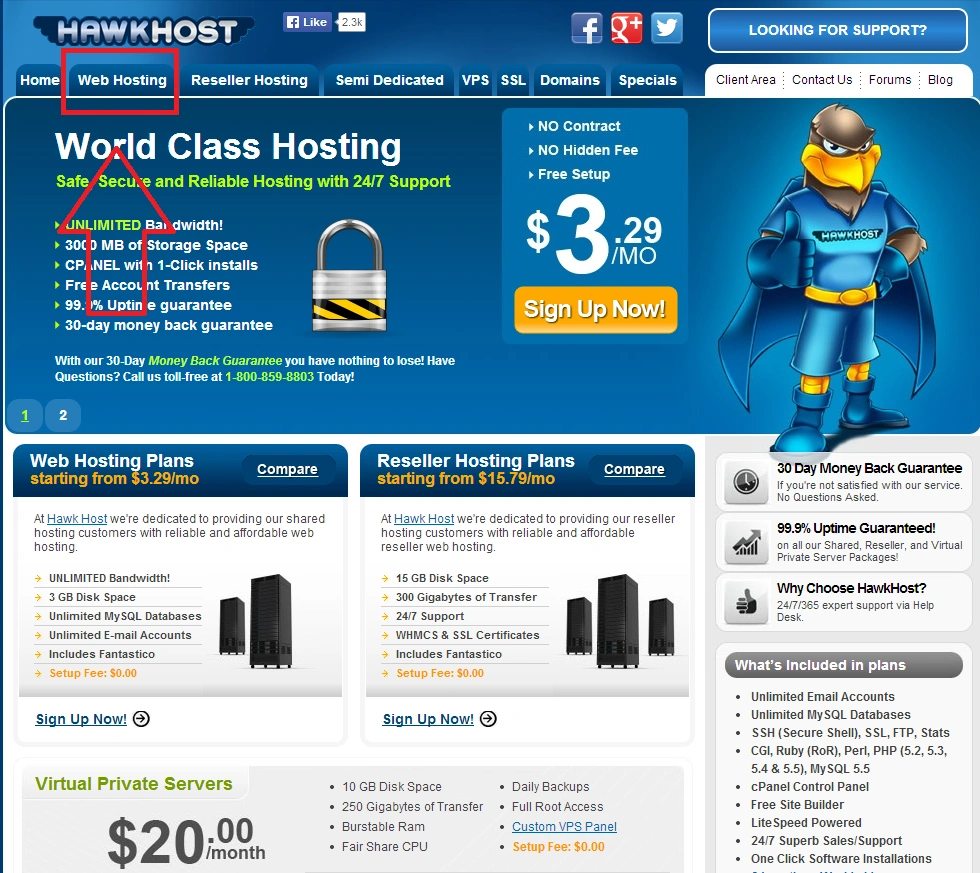
Hawkhost Data Center Review

Hawkhost Data Center Review
If you’re researching a hosting provider, “data center” details can matter more than most people realize. The physical infrastructure behind your website or application affects uptime, latency, security posture, and overall performance. Hawkhost is a name that comes up often in the hosting conversation, especially among users who want reliable services without paying top-tier enterprise prices. In this review, we’ll focus on Hawkhost from the perspective of its data center approach—what customers typically benefit from, what to consider before choosing, and where the service may or may not fit your needs.
What Hawkhost is aiming for
Hawkhost positions itself as a provider built for performance and value. While many hosting companies describe their network in vague terms, the more practical question is: how does that translate into real-world results? When you’re evaluating any host, you generally want answers around:
- Server and network reliability (how stable the environment feels over time)
- Speed and latency (especially for visitors in your target regions)
- Security fundamentals (how the provider reduces risk)
- Scalability and support (whether your hosting situation can grow without constant friction)
Hawkhost’s offerings are designed to give customers access to data center infrastructure capable of handling shared hosting and related services with reasonable performance. For many users, this means a straightforward environment that doesn’t feel overly complicated, while still emphasizing uptime and stable connectivity.
Data center basics: what matters for your experience
Before diving deeper into Hawkhost specifically, it helps to frame what usually comes from a solid data center setup.
1) Network quality and routing
Your website’s speed isn’t only about server hardware. The network path from the data center to your visitors plays a huge role. Good routing, stable upstream providers, and smart peering can reduce latency and improve consistency.
2) Redundancy and uptime strategy
A reliable data center typically includes redundant power, cooling systems, and connectivity. Even when individual components fail, redundancy prevents outages from turning into downtime.
3) Security controls
Data centers can’t “guarantee” safety, but they can significantly reduce risk through physical security, DDoS mitigation upstream, and controlled access to infrastructure. The hosting provider also matters here—firewalls, monitoring, and patching habits affect how well your workloads stay protected.
4) Resource allocation and performance stability
Shared hosting, in particular, can feel fast or sluggish depending on how resources are balanced and how aggressively the provider enforces limits. A good data center doesn’t magically eliminate noisy neighbors, but it can help manage contention.
With those points in mind, let’s look at how Hawkhost tends to be experienced by customers and what that implies.
Hawkhost data center and infrastructure experience
Location and latency considerations
For many customers, the most important factor is where servers are located relative to their visitors. If you’re serving an audience primarily in a specific region, server location can noticeably influence load times and perceived responsiveness.
Hawkhost’s service is commonly evaluated by users looking for a balance between speed and affordability. In practice, you’ll want to confirm where your specific plan’s servers are hosted (or at least which region you’ll be routed to). If you’re unsure, it’s worth checking the provider’s documentation or support replies before committing—latency differences can be the difference between a smooth experience and an annoying one for mobile or global audiences.
Network and performance
A well-run data center typically shows up in day-to-day metrics: stable response times, fewer slow spikes, and consistent performance even under normal traffic variations. Hawkhost is often discussed in the context of solid reliability for the price.
That said, it’s important to remember that performance is influenced by more than just the data center. Your website stack (CMS, plugins, caching setup), traffic patterns, and your plan’s resource limits all contribute to the final result. So even the best infrastructure won’t compensate for a heavily inefficient application or missing caching.
Security posture
Data centers contribute a baseline level of protection, but your hosting provider’s configuration and monitoring are equally important. When evaluating Hawkhost, focus on how they handle:
- Network-level protection (especially against volumetric attacks)
- Account and service monitoring
- Operational practices (updates, stability, and incident handling)
While no provider can remove all risk, a provider that takes security seriously will typically provide clearer information about protective measures and offer responsive support when issues arise.
Guide: how to evaluate Hawkhost for your needs
If you’re considering Hawkhost, you can make a more confident decision by running a few practical checks. Here’s a simple approach that works for most shared hosting and small-to-mid plans:
Step 1: Verify server location for your audience
Look for where the servers are located (or available regions). If you mainly serve one country or region, prioritize closeness. If you serve globally, consider how your site handles caching and content delivery (more on that below).
Step 2: Run quick performance tests
Before fully committing, you can:
- Test page load times from multiple locations using lightweight tools (even just a few geographic regions gives a useful baseline).
- Check whether DNS resolution is fast and stable.
- Confirm that your expected stack (WordPress, custom app, etc.) performs adequately under your plan’s limits.
Step 3: Check caching and CDN options
Many performance problems aren’t actually “data center problems.” They’re content delivery problems. If Hawkhost doesn’t include a CDN by default on your plan, you may want to consider adding one. A CDN often improves global performance more than changing hosts—especially for images, CSS, JavaScript, and static assets.
Step 4: Review uptime and incident history
Look for:
- Uptime stats (if provided)
- Community reports over time
- Whether the provider communicates clearly during outages
Even without perfect records, transparency can tell you a lot about how a company handles operational issues.
Step 5: Evaluate support responsiveness
A great data center helps, but hosting is also operational. Test support channels with a question related to your setup (migration, backups, scaling, or security). The goal isn’t just friendliness—it’s accuracy, speed, and competence.
Pros / Cons
Pros
- Solid infrastructure focus for performance-minded users: Hawkhost generally aims to deliver stable hosting rather than “marketing-only” promises.
- Value for money: Many customers choose Hawkhost because the pricing feels reasonable compared to the quality of infrastructure and service.
- Practical usability: The hosting experience is often described as straightforward—helpful if you want fewer complications.
- Operational support matters: Support can be a deciding factor for many users, and Hawkhost’s model tends to appeal to customers who value responsive help when needed.
Cons
- Server location may not fit every audience: If your visitors are concentrated in a region far from the hosting region, latency could become a factor.
- Performance depends on your stack: The data center can only do so much—caching, application efficiency, and configuration still matter.
- Limited “transparent” data center specifics: Some hosting providers publish more granular details about facilities and upstream providers. If you’re looking for extremely detailed facility-level documentation, you may need to reach out to support or rely on customer feedback.
What kind of customer Hawkhost is best for
Hawkhost tends to suit:
- Small to mid-sized websites that need reliable hosting without enterprise-level pricing
- Developers and site owners who understand basic performance tuning (caching, optimizing content)
- Users who want a dependable baseline rather than experimenting with cutting-edge but unstable infrastructure
It may be less ideal if:
- You have a highly global audience and require strong multi-region delivery with minimal setup
- You demand deep transparency about facility details (rather than practical performance outcomes)
- You’re running extremely resource-intensive applications that need specialized hardware and guaranteed performance
When you should choose a different approach
If your primary goal is extremely low latency for a specific region, you may want to compare Hawkhost with providers that offer more explicit regional availability or built-in global delivery options. Also, if you’re running high-traffic workloads, the “best data center” is only part of the equation. In those cases, you might consider VPS or cloud providers with clearer scaling controls and more predictable resource isolation.
Final thoughts
A data center review should ultimately answer a simple question: will the infrastructure behind the service feel dependable and fast enough for your real-world use? Hawkhost generally appeals to users who prioritize stability, value, and a performance-focused hosting experience.
That said, no review can replace your own checks. If you’re serious about choosing Hawkhost, confirm the server region for your audience, run a couple of quick performance tests, and verify what security and backup options are included in your plan. If those boxes check out, Hawkhost can be a strong option for hosting needs that don’t require enterprise pricing or complex setups.
If you’d like, tell me your target audience region(s) and what kind of site or app you’re hosting (WordPress, eCommerce, custom app, traffic level), and I can suggest what to look for specifically when evaluating Hawkhost plans.
🚀 Sign Up for hawkhost
Register for hawkhost here to receive a “lifetime discount” of up to 20%